Table of contents
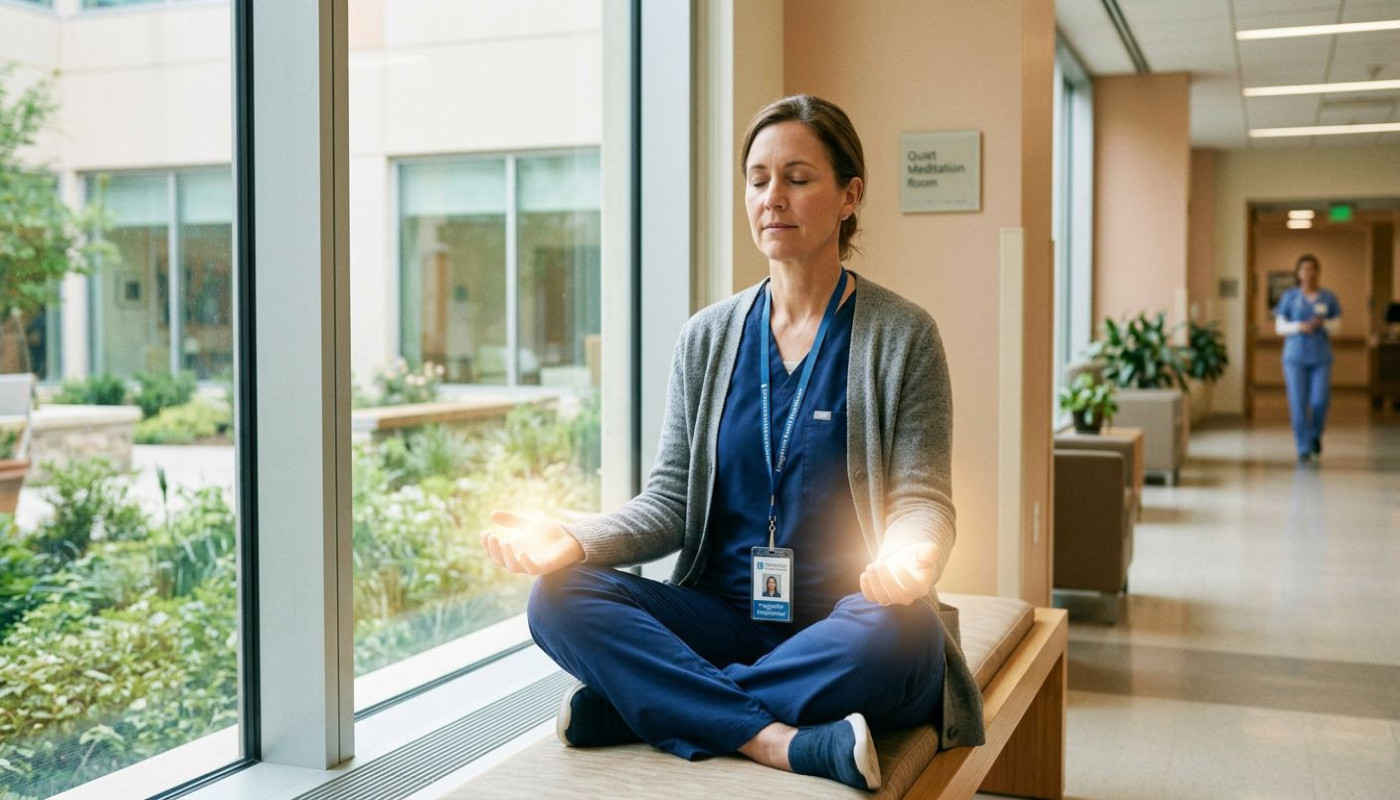
Step into the fascinating world where intuition meets science, and discover how medical intuitives offer fresh perspectives to the healthcare landscape. Many patients and practitioners alike are increasingly curious about the ways these professionals can work alongside conventional medicine to promote well-being. Explore how merging intuitive assessments with evidence-based care could open doors to more comprehensive healing experiences.
Decoding the role of medical intuitives in health
Medical intuitives work alongside healthcare professionals by offering a distinct perspective rooted in intuitive diagnostics, energetic assessment, and biofield evaluation. These practitioners utilize their ability to sense and interpret subtle shifts within the body’s energy systems, aiming to pinpoint disruptions or imbalances that may signal emerging health concerns long before they manifest as physical symptoms. Their techniques differ from standard medical tests, relying on focused attention, visualization, and often a deep attunement to the client’s physical and emotional state. Instead of physical examinations, they gather insights through non-invasive means, such as reading energy fields or interpreting bodily sensations, which some view as the early warning signals of illness.
The methodologies medical intuitives employ are grounded in rigorous training, which often includes anatomy, physiology, energy medicine, and strong ethical codes to ensure responsible practice. These codes emphasize confidentiality, informed consent, and a clear boundary that intuitive information should not replace medical advice or treatment. By integrating their findings with conventional care, medical intuitives support patients and practitioners alike, providing supplementary data that can prompt further investigation or encourage holistic approaches to health. The collaboration between medical intuitives and traditional providers highlights an emerging trend in integrative medicine: leveraging both scientific and intuitive insights to foster more comprehensive understanding and wellbeing.
Bridging intuitive insights with clinical practice
Collaboration between medical intuitives and healthcare professionals offers a dynamic avenue for expanding the reach of patient care, particularly in challenging scenarios where conventional diagnostics present limitations. When confronting complex or chronic symptoms that resist clear labeling, the inclusion of an intuitive perspective can introduce novel hypotheses or suggest overlooked factors, such as subtle environmental influences or energetic imbalances. For instance, multidisciplinary teams might invite a medical intuitive to participate in case reviews, allowing intuitive wellness mapping or energetic scanning to inform more comprehensive care strategies, while never replacing evidence-based treatment.
In settings where medical findings are ambiguous or symptom origins remain elusive, intuitive insights provide a potential adjunct to traditional approaches, enriching the clinical picture with layers that may otherwise be missed. This can be especially relevant in integrative clinics, pain management centers, or even mental health facilities, where the nuanced understanding of mind-body connections is paramount. By drawing on holistic analysis, medical intuitives can sometimes detect stressors or patterns that complement lab results, providing actionable questions for the primary care team to explore. These contributions are most effective when viewed as one component of a collaborative process, ensuring that all interpretations are grounded within the larger framework of clinical evidence and patient history.
Protocols for integrating intuitive input stress transparent, respectful communication and always secure explicit patient consent, safeguarding autonomy and ethical standards. Before integrating intuition-based information into care plans, practitioners must clarify the distinction between medical diagnosis and intuitive impression, carefully documenting findings and recommendations. Patients should be fully informed about the methods being used, their purpose, and any possible limitations. Services such as https://www.medical-intuitive.org facilitate access to qualified practitioners—whether searching for a medical intuitive near me, an intuitive in Spokane, or expertise in Washington DC—empowering individuals and care providers to explore collaborative options while maintaining professionalism and patient-centered focus.
Empowering patients through integrative care
Patients navigating the complexities of health often find that an integrative approach, blending insights from both medical intuitives and conventional practitioners, elevates their overall experience. While traditional medicine excels at diagnostics and evidence-based treatments, a medical intuitive may offer personalized wellness guidance that addresses subtle patterns in a patient's health story. For example, an intuitive might identify emotional stressors or lifestyle imbalances that contribute to physical symptoms, suggesting targeted stress reduction techniques such as guided visualization, mindfulness practices, or breathwork. These recommendations, tailored to the individual, can work in harmony with prescribed medications or therapies, helping patients develop a deeper connection to their bodies and enhance recovery outcomes.
Such collaborative care fosters a strong sense of self-empowerment, as patients feel supported and understood from multiple vantage points. Personalized advice from a medical intuitive, when integrated respectfully with conventional care, bolsters the patient’s confidence in making informed decisions about their wellbeing. This multifaceted support can also reduce anxiety, as patients sense that their concerns are validated by both scientific assessment and a holistic perspective. Medical intuitives often encourage open dialogue, helping bridge communication between patients and healthcare providers, which strengthens trust and motivates patients to take an active role in managing their health. This synergy between intuition and traditional expertise not only personalizes care but also nurtures psychological resilience and optimism during the healing journey.
Research and the quest for validation
Efforts to scientifically assess medical intuition are increasingly visible, with researchers seeking to understand whether and how intuitive insights can support conventional healthcare. Case studies often document instances where medical intuitives have identified issues that align with later clinical findings, and some projects use symptom tracking, patient questionnaires, or physiological measures both before and after intuitive input to capture potential impact. These studies attempt to bridge the subjective nature of intuition with the objective standards of clinical science, offering a path for the wider medical field to engage with and critique the results. Quantitative approaches, such as double-blind trials or statistical analysis of patient outcomes, provide frameworks to evaluate whether perceived benefits hold up under rigorous examination.
Reproducibility and accuracy remain central challenges, as the intuitive process is inherently personal and difficult to standardize. Skepticism within the scientific community persists, especially given the historical reliance on anecdotal reports and the influence of placebo effects. To address these concerns, researchers advocate for standardized protocols, explicit criteria for assessment, and transparent reporting of both positive and negative results. Establishing clear methodologies not only supports credibility but also enables meaningful comparison between studies. As subjective experiences such as intuition are notoriously hard to quantify, the integration of qualitative feedback with quantitative data may offer a balanced perspective for evaluating the potential contributions of medical intuitives to healthcare.
Future directions for integrative healthcare
The relationship between medical intuitives and the mainstream healthcare system appears to be moving towards greater collaboration. As the boundaries of medicine expand, practitioners and administrators are taking a closer look at unconventional perspectives that patients find meaningful. Medical intuitives, once considered fringe, are beginning to participate in clinical dialogues, especially where conventional diagnostics leave questions unanswered. This shift is propelled by a growing openness toward new frameworks that emphasize the interplay between physical health, emotional well-being, and subtle energetic dynamics.
Emerging trends highlight the integration of energy medicine concepts into established care models. Approaches such as Reiki, acupuncture, and therapeutic touch are increasingly discussed in medical conferences and peer-reviewed journals. Alongside these, mind-body methodologies—meditation, guided imagery, and stress reduction techniques—are being validated for their impact on physiological outcomes. Healthcare facilities are responding by forming multidisciplinary clinics, where medical doctors, therapists, and intuitives collaborate, providing patients with a spectrum of perspectives and interventions.
Technological innovation is set to play a pivotal role in this evolving landscape. Advances in bioenergetic instrumentation now allow for the measurement of subtle physiological changes once considered immeasurable. Devices that map electromagnetic fields or analyze stress markers can offer tangible data to complement intuitive assessments. As patients increasingly seek care that addresses both their measurable symptoms and their intangible experiences, the convergence of empirical science with intuitive insight is gathering momentum. This dual focus has the potential to foster a richer understanding of health and illness.
Healthcare leaders are uniquely positioned to shape the future by fostering integrative models that value both objective evidence and nuanced, subjective information. By encouraging collaboration between scientifically trained professionals and those skilled in subtle perception, institutions can offer a more personalized, responsive form of care. Such openness not only honors diverse patient needs but may also inspire new standards of practice focused on whole-person healing. The path forward lies in recognizing that empirical rigor and intuition, rather than being mutually exclusive, can work in synergy to optimize patient outcomes.
On the same subject

How Legal Defense Strategies Adapt Under Political Persecution Pressure
Case Studies On The Impact Of Medical Intuitives On Patient Recovery
The Science Behind The Effectiveness Of Medical Intuitives

Exploring The Role Of Medical Intuitives In Holistic Health Practices

How Medical Intuitives Are Shaping The Future Of Holistic Health Care
Exploring The Role Of Medical Intuitives In Enhancing Traditional Healthcare

How Medical Intuitives Contribute To Holistic Treatment Approaches

Exploring The Rise Of Medical Intuitives In Modern Healthcare

Exploring The Role Of Medical Intuitives In Modern Healthcare

Exploring How Medical Intuitives Contribute To Holistic Health Practices

Understanding The Training And Skills Behind Effective Medical Intuitives

Exploring The Ethical Boundaries Of Cheating Wife Investigations

Exploring the Mysteries of the Deep Sea
