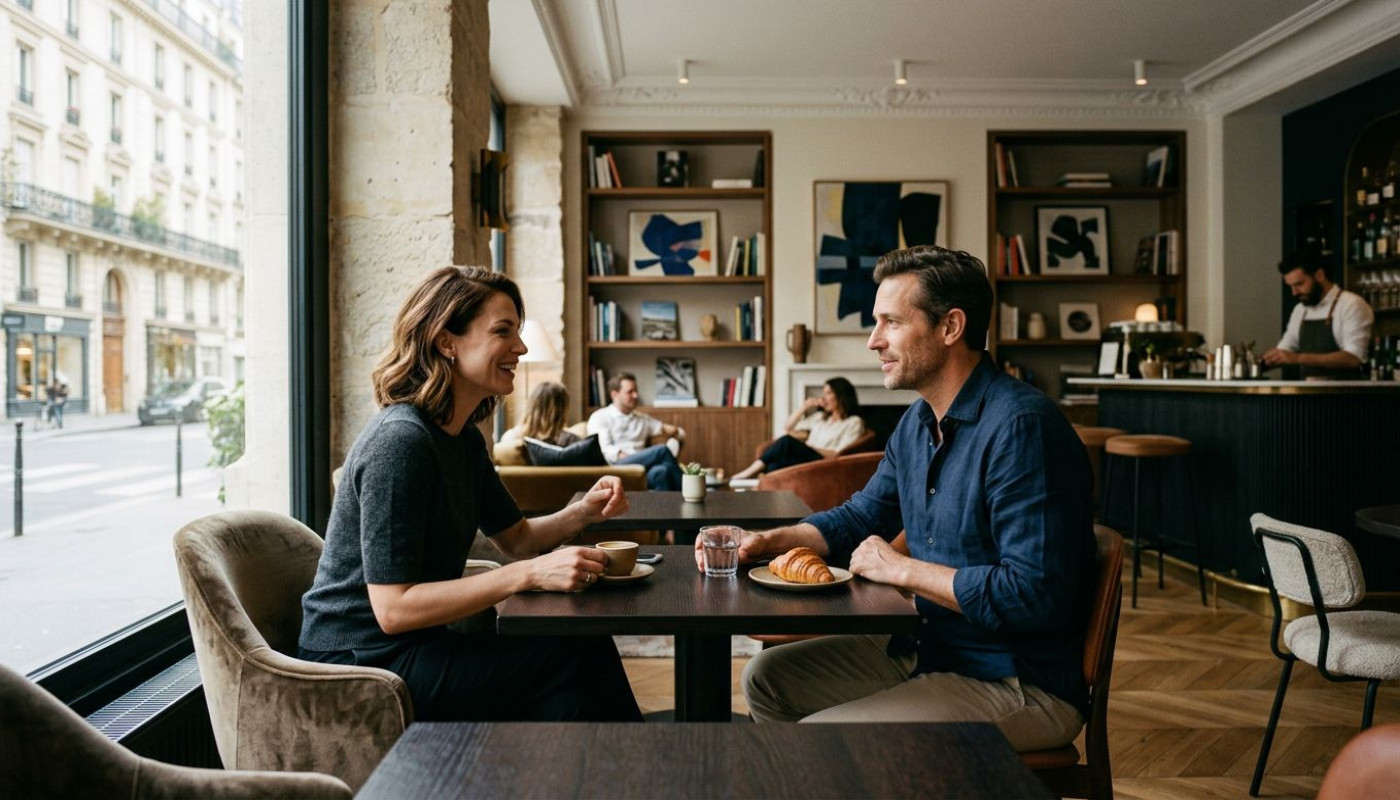
Table of contents
Can a three-star stay still feel like a city discovery? In Paris, where room rates have surged since the post-pandemic rebound and the Olympic effect has reshuffled demand around the inner suburbs and the eastern arrondissements, the 13th has quietly gained ground with business travellers, families and culture-hunters, drawn by calmer streets and faster access to hubs. In that shifting map, Hotel Urban Bivouac Paris is betting on a simple promise: an urban basecamp in the 13th, three-star comfort, and public transport within easy reach.
Paris 13th, the quiet address travellers overlooked
Paris does not expand, it rebalances, and in recent years the 13th arrondissement has been one of the clearest examples of that slow shift in attention. Long associated with university life, Asian food streets and the high-rises around Olympiades, it has also become a practical point on the city’s visitor grid, partly because the centre has become harder to book on short notice and because travellers increasingly want neighbourhoods that feel lived-in rather than purely touristic. The numbers reflect the broader pressure: France welcomed 100 million international visitors in 2023, according to the Ministry of Economy, and Paris remains the country’s main gateway, which keeps demand structurally high even when travellers diversify into other regions.
In that context, staying in the 13th can feel like a strategic move rather than a compromise, especially for people who plan to combine meetings, museums and time outdoors along the Seine. The arrondissement sits at the intersection of big-city rhythms and more residential pockets, and it offers easy links to the Left Bank while keeping a certain distance from the constant churn of the Louvre-Opéra axis. Hotel Urban Bivouac Paris positions itself inside that logic: a hotel in Paris 13e that leans into the district’s practical side, and for many visitors that matters more than a postcard view, because the real cost of a trip is often time lost in transit, queues and unnecessary backtracking.
The 13th also speaks to a changing idea of “Parisian” experience, one that now includes street art, contemporary architecture and a food scene that moves well beyond classic brasseries. The district’s large-scale murals, for instance, have turned parts of the neighbourhood into an open-air gallery, and they attract visitors who want something other than Haussmann façades. That is where a well-placed three-star hotel can gain relevance: not by imitating luxury codes, but by offering a reliable base in a district that is increasingly on itineraries, especially for repeat visitors, conference-goers and families looking for calmer evenings.
A three-star promise: comfort without the theatre
Price points in Paris have been under sustained tension, and accommodation has become a bigger part of travel decision-making than it used to be. Eurostat has repeatedly shown that hotels and restaurants are among the categories most exposed to inflation in recent years, and Paris, with its global demand and limited capacity, tends to amplify that reality. In that landscape, three-star hotels occupy a crucial middle ground: they have to deliver standards that travellers now consider non-negotiable, such as dependable cleanliness, quiet nights and functional rooms, while keeping budgets from spiralling.
Hotel Urban Bivouac Paris plays in that bracket, and the appeal is precisely the absence of unnecessary show. Three-star hospitality, at its best, is not about stripping down the experience, it is about removing friction, and that means a stay that works for both short and longer visits, whether someone arrives for a trade fair, a university appointment, or a weekend built around food and exhibitions. The “urban bivouac” idea is telling: a bivouac is a temporary camp, but it is also organised, protected and meant to help you move again the next day, and that metaphor fits modern city travel, where the hotel is less a destination than a launchpad.
That positioning also answers a behavioural trend visible across major cities: travellers increasingly split their spending, choosing a mid-range room and reallocating the difference to experiences, restaurants and transport. The three-star segment becomes the rational choice, but it still needs personality and a sense of place, because travellers are tired of generic boxes, and they post reviews when a property feels indifferent. The challenge is to stay credible: comfort has to be tangible, and service has to be efficient without feeling mechanical. In the Paris market, where expectations are shaped by both luxury myth and the realities of small rooms, the properties that win are often those that communicate clearly what they are, and then deliver it every day.
Public transport nearby, Paris feels smaller
Here is the truth most visitors learn too late: in Paris, location is not only about kilometres, it is about connections, and the best address is often the one that makes the city feel compact. The capital’s public transport network remains one of the densest in Europe, with the Paris region counting hundreds of metro stations, several RER lines and an expanding tram system, and that infrastructure shapes how travellers perceive distance. When a hotel is close to public transport, the trip becomes easier to improvise, and Paris rewards improvisation, because the city’s best moments often happen between two planned stops.
For a hotel in Paris 13e such as Hotel Urban Bivouac Paris, proximity to public transport is not a marketing add-on, it is a daily advantage, especially for travellers who do not want to spend their visit inside taxis or navigating surge pricing. A well-connected base helps in practical ways: early museum slots become less stressful, dinner plans can stretch into the night without the fear of a complicated return, and a day can include both Left Bank classics and east-side venues without a logistical headache. For business travellers, it also reduces the hidden cost of lateness; for families, it lowers fatigue; for solo visitors, it adds a sense of safety and simplicity.
The transport argument has become even more relevant as Paris continues its broader mobility transition, with more cycle lanes, changing traffic patterns and the long-term Grand Paris Express project reshaping the wider region. Even if many visitors focus on the metro, the reality is that the city is in motion, and being able to pivot between modes is part of modern urban hospitality. Hotels that are positioned near reliable connections tend to benefit when the city is busy, because guests can still move efficiently during peak hours, strikes, or major events, and Paris is a city where calendar pressure is a constant, from fashion weeks to trade fairs and school holidays.
Why urban hospitality is being rewritten now
Urban hotels are being forced to rethink their role, and not only because of price sensitivity. Remote work has changed the shape of business travel, leisure guests have become more demanding about value, and review culture has made every stay a public record. Add the post-2020 emphasis on cleanliness, the rebound of international tourism, and the way major events concentrate demand, and the classic hotel playbook looks outdated. Paris sits at the centre of those shifts: it attracts high-spending visitors, but it also has a vast mid-market audience that wants the city to be accessible without feeling cheapened.
Reinventing urban hospitality, in practical terms, means taking seriously what guests actually do in a room, and what they need from a neighbourhood. It means recognising that the hotel is part of a chain of experiences, not an isolated product, and that travellers will judge it on how smoothly it plugs into their day, from the first metro ride to the last walk back at night. This is where a three-star hotel can be surprisingly modern: it is free from some of the ritual and staffing weight of luxury, and it can focus on speed, clarity and the basics done well, which is exactly what many travellers now describe as “quality”.
Hotel Urban Bivouac Paris fits into that emerging definition, with its identity as a practical city basecamp in the 13th arrondissement, and its emphasis on being close to public transport, which remains one of the most powerful forms of comfort in Paris. The point is not to promise an unreal version of the city, it is to make the real city easier to live, because guests are increasingly sophisticated, they know what Paris costs, they know what they can do with their time, and they are quick to reward places that respect both. In a market crowded with options, relevance is earned through coherence: a clear positioning, a dependable standard, and an address that works with the city rather than against it.
Booking, budgets and the smart way to plan
To book a stay, compare refundable rates across official channels and major platforms, and prioritise rooms that match your schedule rather than chasing the lowest headline price. In Paris, budgets move fast; mid-range three-star stays in busy periods often require booking several weeks ahead. Check transport works nearby, and look for VAT-included pricing, city tax details, and any discounts for longer stays or off-peak dates.
On the same subject

Step Into Digital Nomadism: How To Make Money Online? From Bali To Berlin
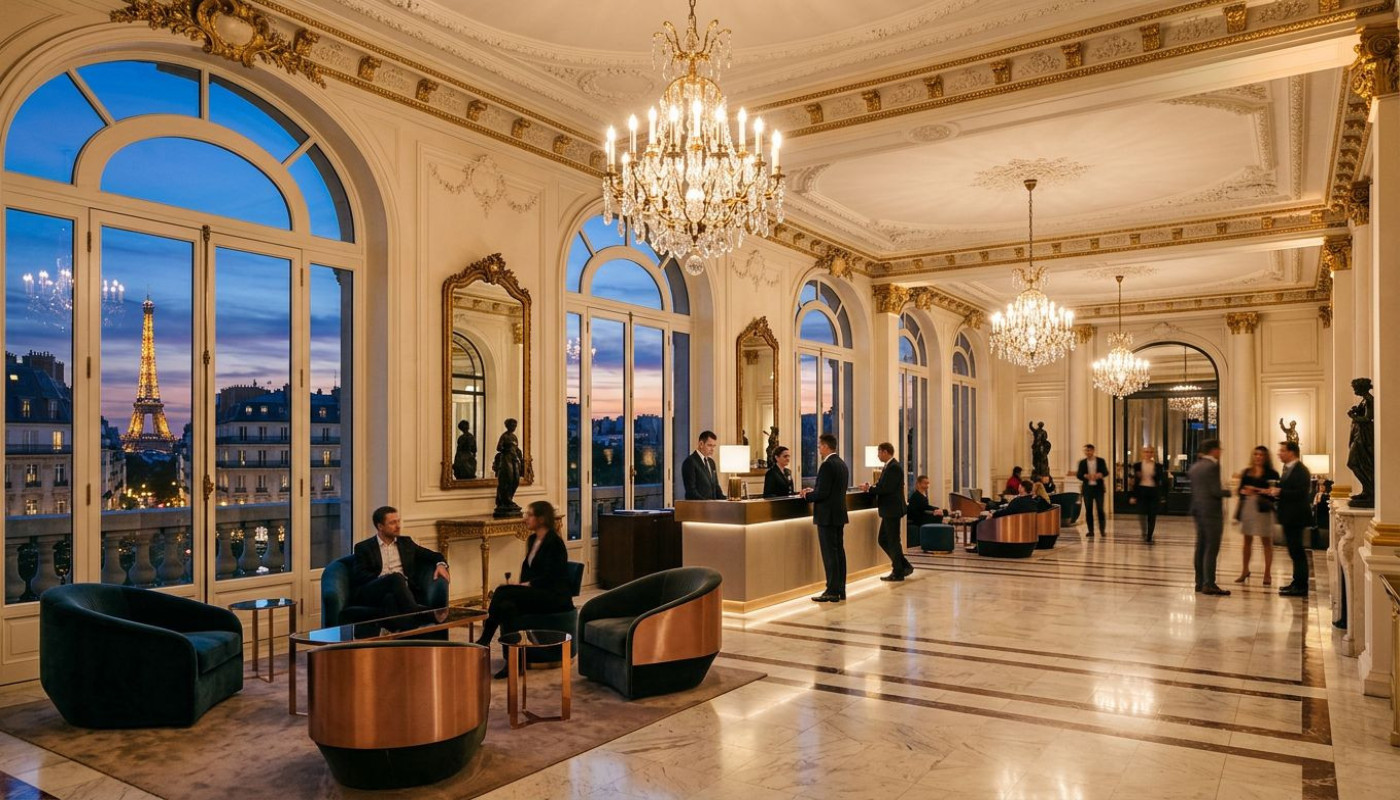
Step Inside A Hotel In Paris Where Heritage Meets Tomorrow’s Trends

Hotel In Paris: Where Design Meets History In The City Of Light
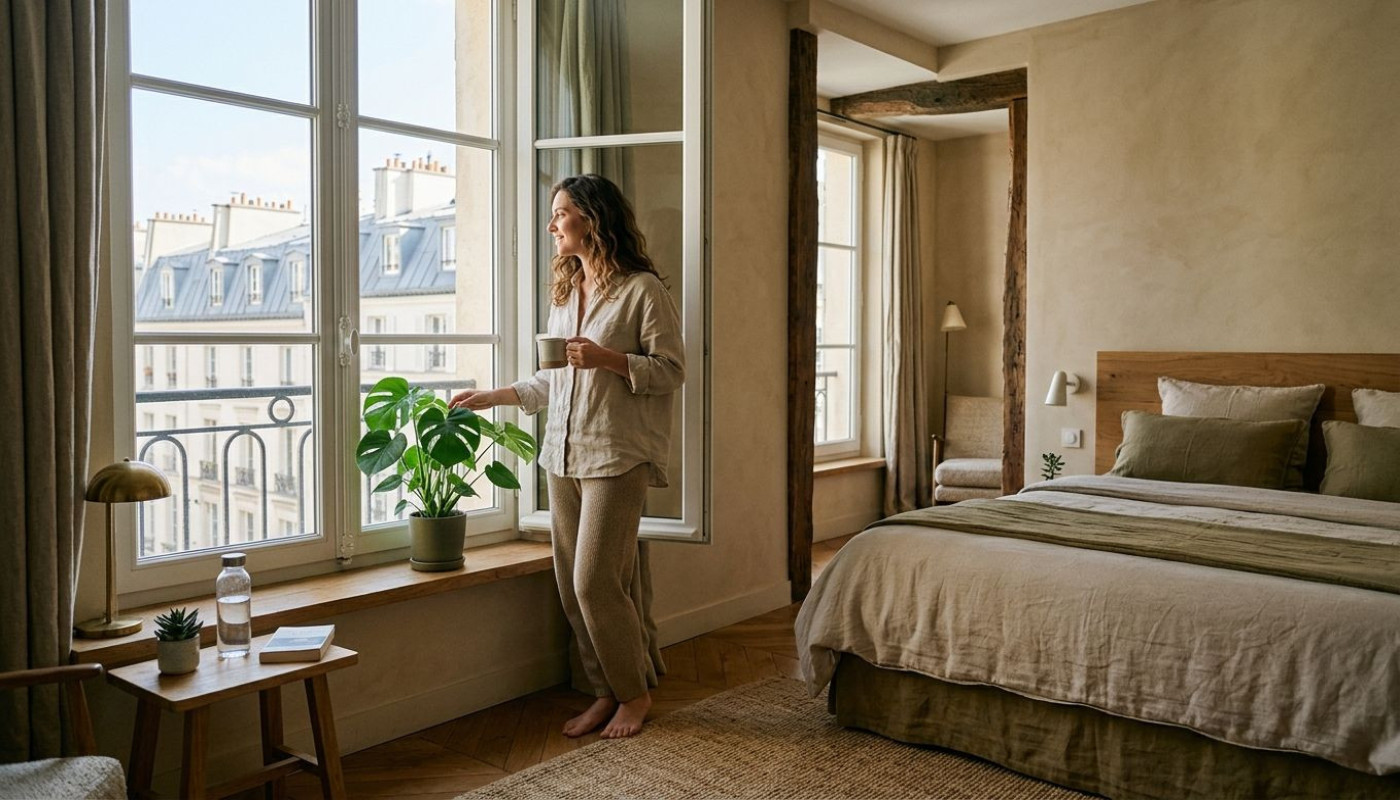
Hotel In Paris And The Silent Revolution Of Sustainable Design
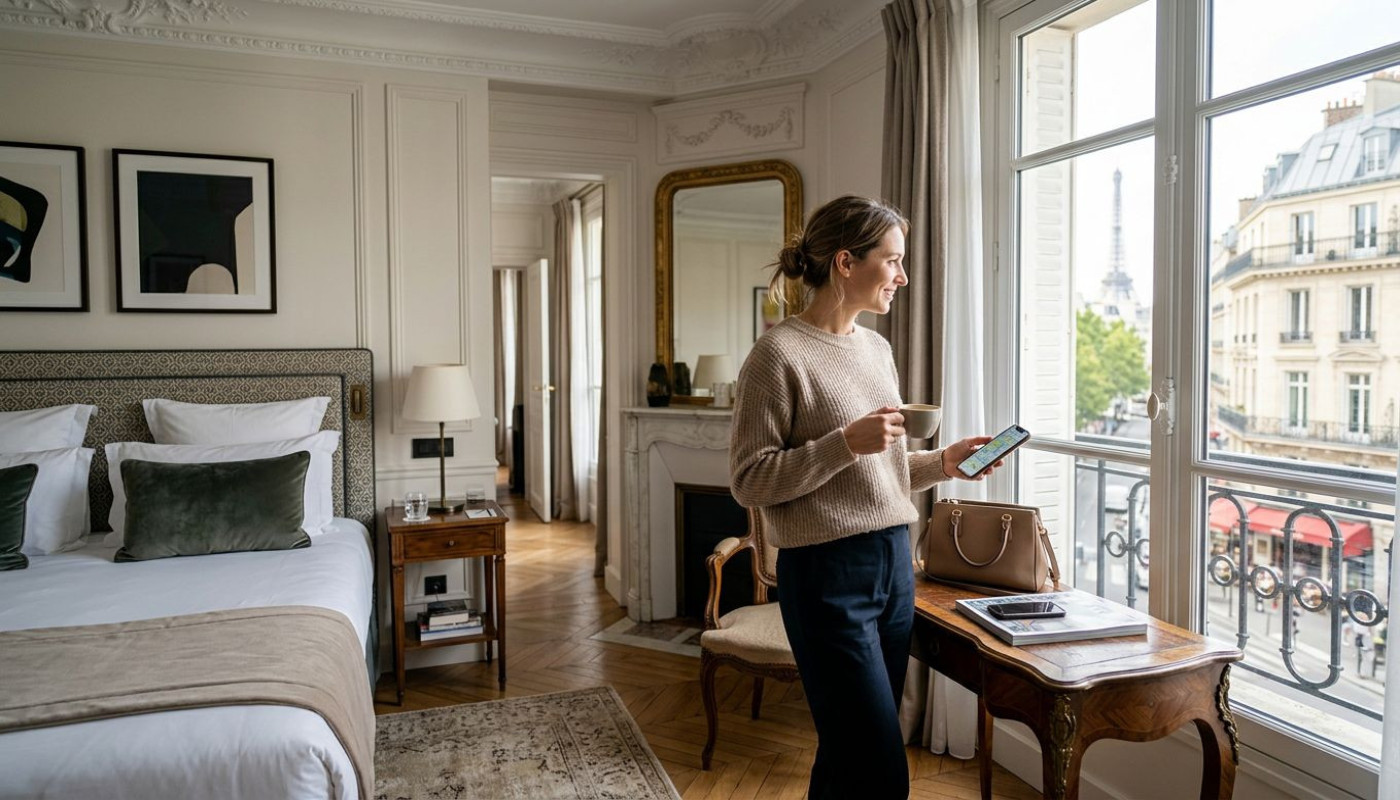
Hotel In Paris: Where Old-world Elegance Meets Modern Traveler Demands
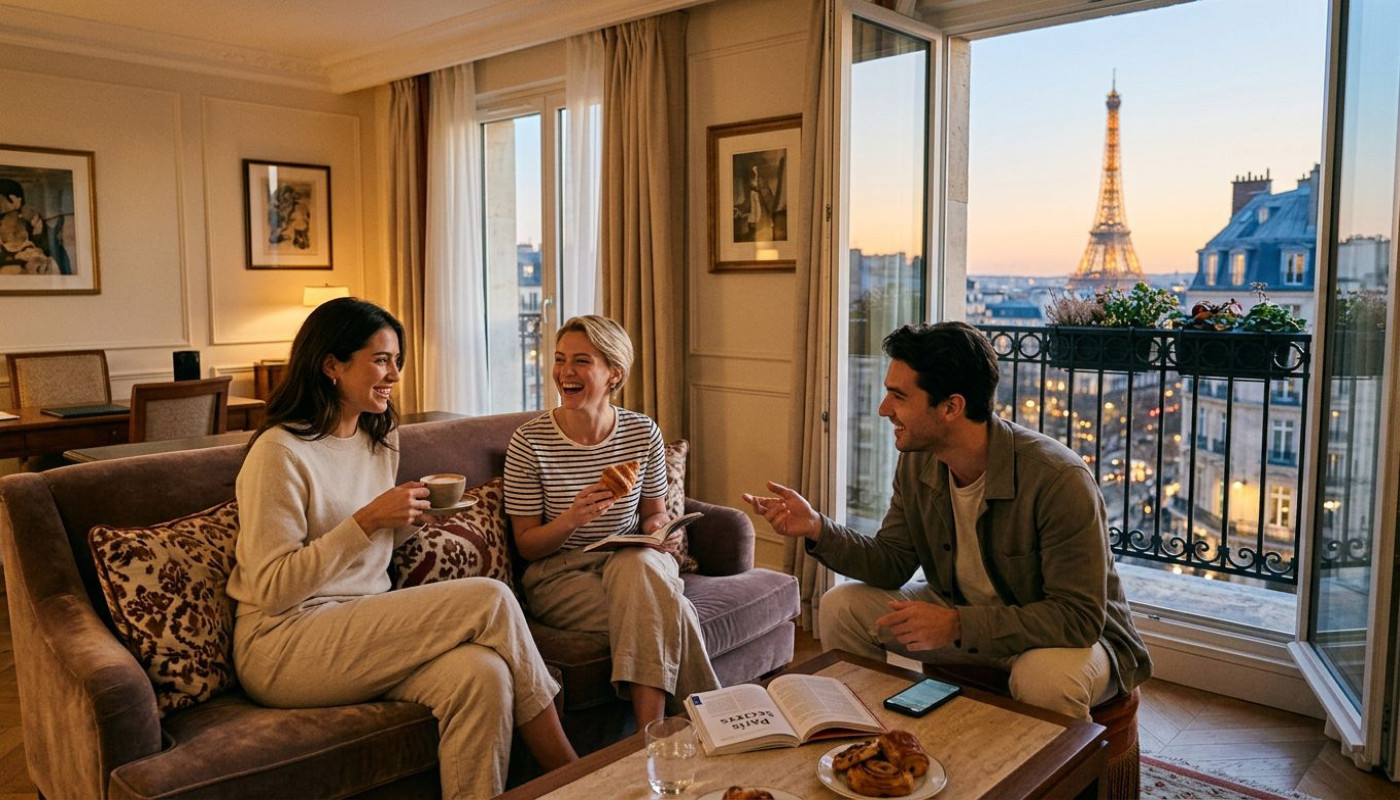
Hotel In Paris Guests Are Redefining City Escapes—here’s What They Want Now
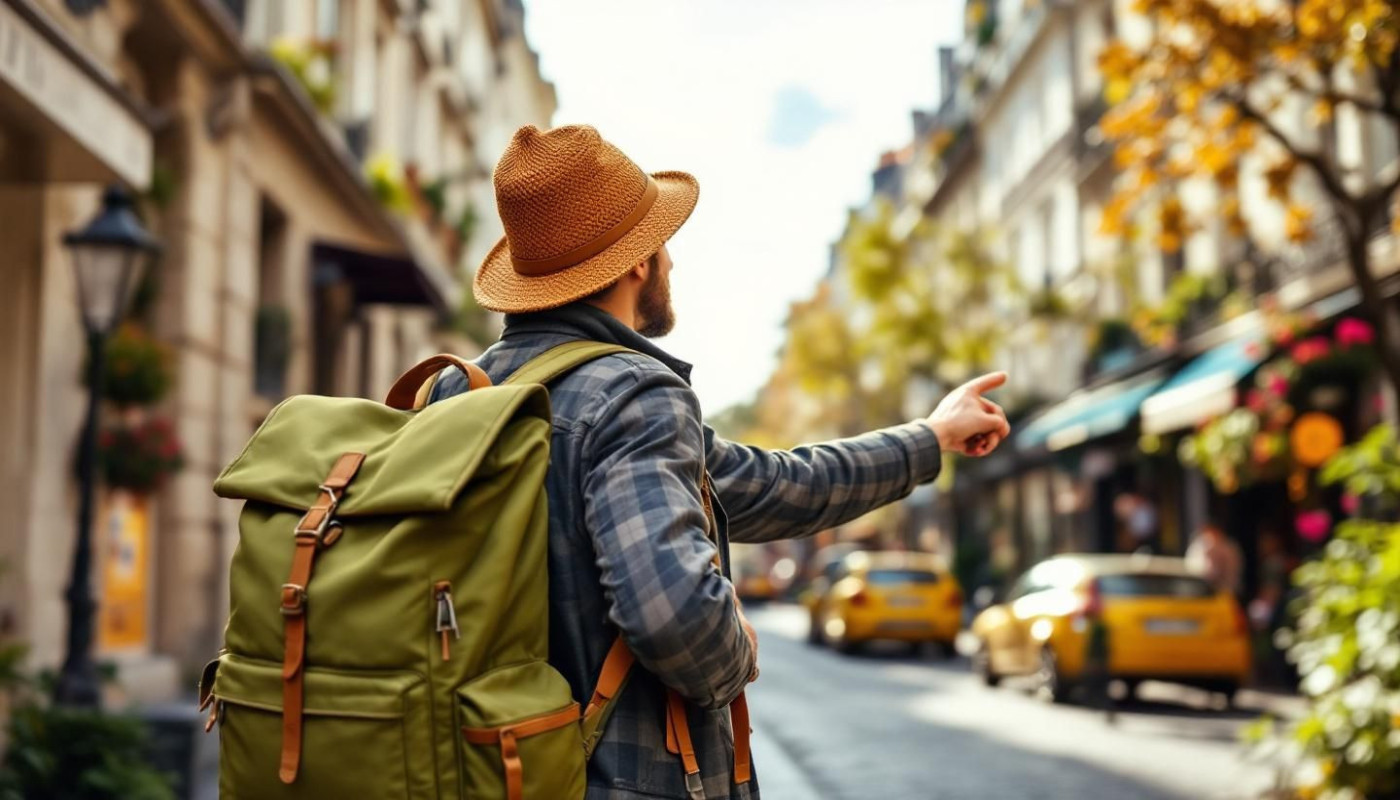
Exploring Sustainable Travel Options For Your Next Hotel Stay In Paris
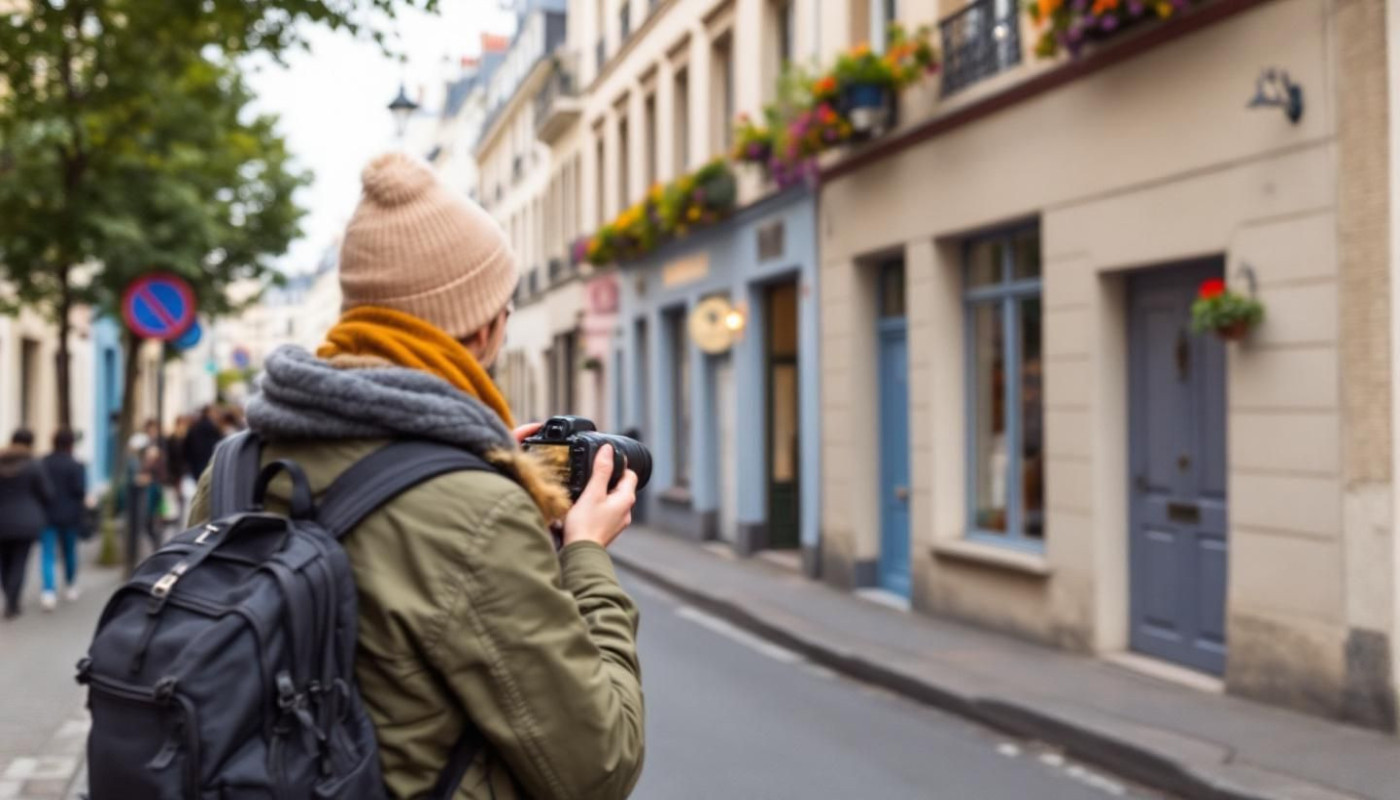
How To Discover Hidden Gems Among Hotels In Paris?
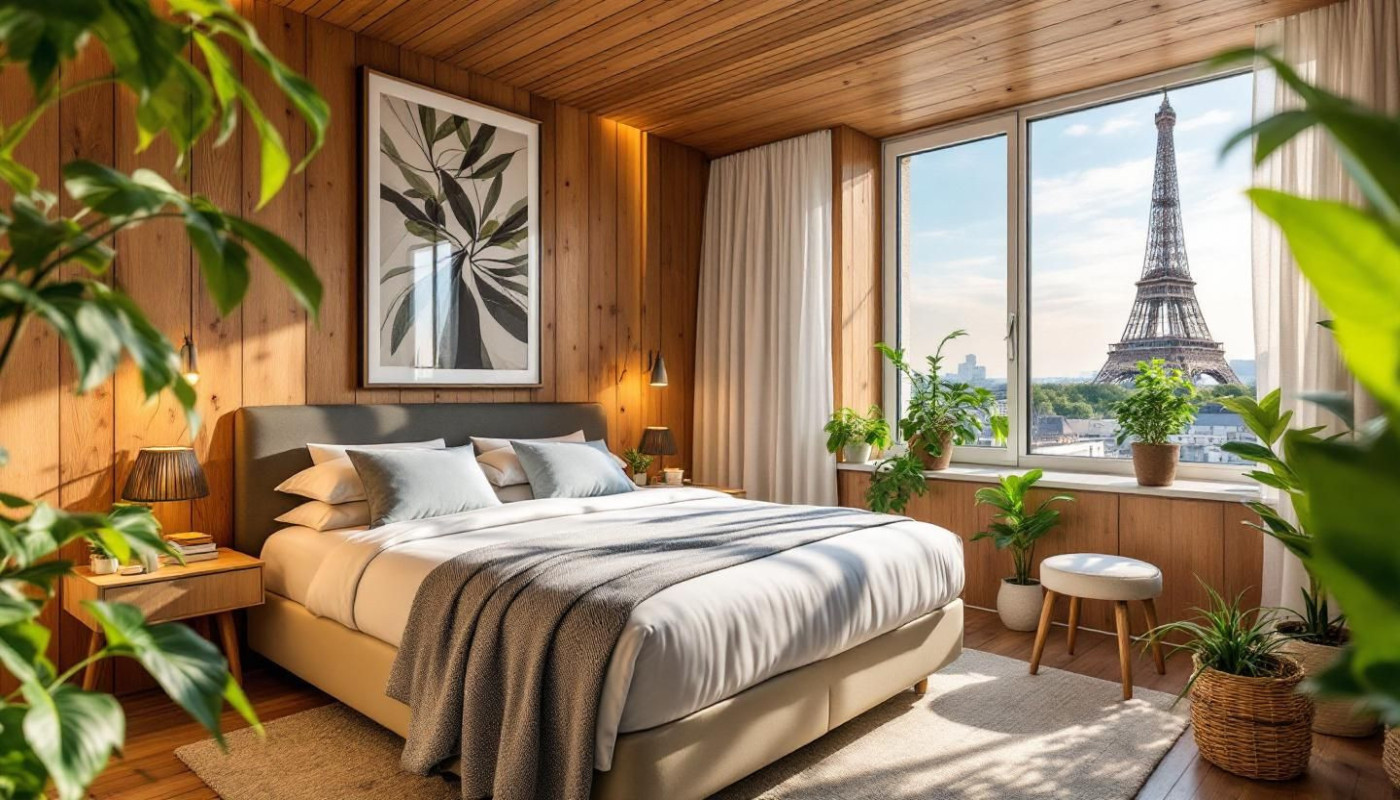
Exploring Eco-friendly Options For Staying At A Hotel In Paris
How To Find Eco-friendly Accommodations In Paris
A Guide To Finding Family-friendly Accommodations In Paris

Exploring Unique Boutique Hotel Experiences In Paris

Exploring Unique Museums: How Themed Attractions Can Boost Local Tourism

Undiscovered Gems: Exploring the Hidden Corners of Eastern Europe
