Table of contents
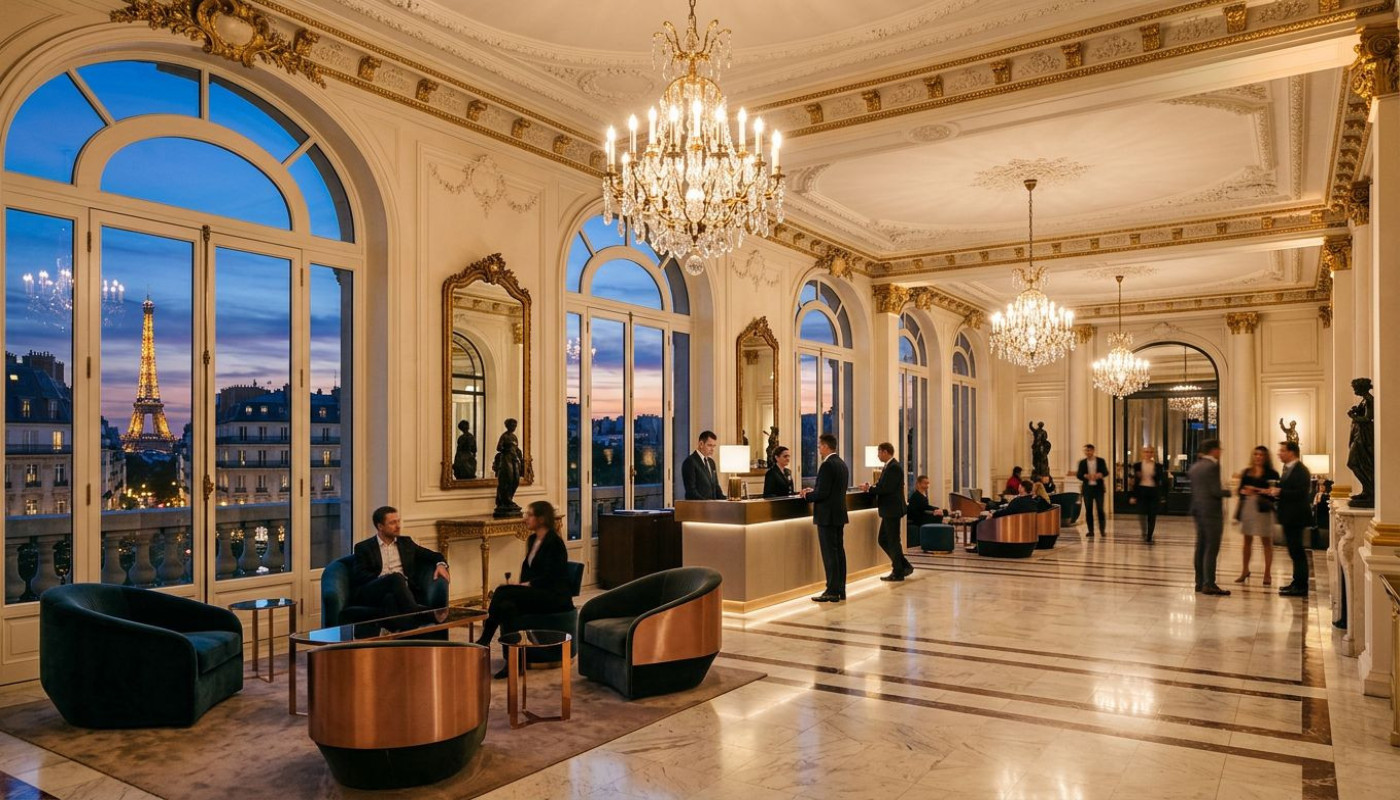
Heritage hotels in Paris rarely sit a few metro stops from cutting edge design districts, yet one address in the 13th arrondissement is betting that tomorrow’s travel habits begin on the city’s left bank, not only in postcard central. As Paris braces for another busy season of international arrivals and price pressure on rooms, the question is increasingly practical: can you sleep well, stay connected, and move fast across the city without paying palace rates? Hotel Urban Bivouac Paris is positioning itself squarely on that promise.
Paris 13th, the city’s quieter nerve center
Why does the 13th arrondissement suddenly matter to visitors? Because it has become one of the capital’s most useful crossroads, a place where Parisian everyday life feels intact, and where the city’s newest cultural and urban projects are concentrated without the saturation of the historic core. From the banks near Bibliothèque François Mitterrand to the contemporary towers of the Left Bank, the area mixes mid century housing, street art, Asian culinary corridors around Avenue de Choisy, and a steady flow of students and researchers drawn by nearby universities and labs, and it does so with a pace that many travelers now actively seek.
The numbers reflect that shift in behavior. Paris remains one of Europe’s most visited cities, and even outside peak moments, hotel demand often runs ahead of supply in the central arrondissements, pushing nightly rates upward while compressing choice. In that context, the 13th has emerged as a pragmatic alternative, especially for travelers who plan to spend their days across multiple neighborhoods rather than orbit a single monument. Staying in the south east of the city can mean easier access to the Seine’s newer promenades, quick links to major stations, and a base that feels less like a stage set, and more like a lived in Paris where cafés open early and local markets still set the rhythm.
Hotel Urban Bivouac Paris sits in this ecosystem as a three star address designed for people who want comfort and efficiency without the formality, and it benefits from the arrondissement’s blend of calm evenings and well connected mornings. The 13th is also a district where walking is rewarding, not only between restaurants and boutiques, but along long, straight avenues that make orientation simple for first timers. For business travelers, the appeal is obvious: you can step away from the crowds, keep commuting time under control, and return to a neighborhood that does not feel overrun once the day’s meetings end.
There is also a cultural logic to the location. The 13th has become one of Paris’s street art capitals, with curated mural trails and a tradition of large scale works that change the city’s visual language block by block. For visitors who measure a trip by discoveries rather than by checklists, that matters. It frames the hotel stay as part of the itinerary, not only a place to sleep, and it aligns with a broader trend in urban tourism: travelers increasingly prioritize neighborhoods that feel contemporary, where the city’s next decade is visible in architecture, cuisine, and daily mobility.
Three stars, but the essentials done right
What do travelers actually need now? After years in which “experience” became a catch all, the basics have returned to the center of hotel choice: quiet rooms, reliable comfort, and a sense that the place is well run. In Paris, where room sizes can surprise even seasoned visitors, the three star segment has become a battleground; it must justify price without overpromising, and it must deliver consistency in a city where expectations are sky high. A three star hotel is not supposed to imitate luxury, it is supposed to remove friction, and to make the traveler’s day simpler from check in to checkout.
That is the lane in which Hotel Urban Bivouac Paris operates, with a positioning that fits the needs of both leisure and business stays. In practical terms, the three star category in France is defined by a set of measurable criteria, from reception standards to services and facility requirements, and it gives travelers a baseline when comparing options across neighborhoods. In a market like Paris, where the difference between a good and a mediocre stay can be felt immediately in sleep quality and noise control, the value of a well executed three star address is tangible, especially when the itinerary includes early departures, long museum days, or late dinners followed by an early train.
The “bivouac” idea, as a travel metaphor, also resonates with current habits. City breaks have become more modular; people stitch together work and leisure, add a day trip, then return for one more night rather than committing to a single weeklong plan. In that rhythm, the hotel becomes a base camp, not a destination in itself, and the expectation is that it supports movement. The tone matters too: travelers increasingly want places that feel welcoming without being intrusive, and that offer clarity on what is included, what is optional, and what will cost extra. The three star promise, when delivered cleanly, can be more persuasive than a higher category whose style comes with constraints.
Paris has also seen a steady growth in short stays driven by rail connectivity from London, Brussels, Amsterdam, and many French cities, and that creates a specific pressure: travelers arrive with limited time and little patience for delays. In that environment, the hotel’s ability to run smoothly becomes part of the city’s overall impression. A stay that starts with friction, whether it is a complicated arrival or a confusing neighborhood layout, can cost precious hours, and those hours are often the difference between a rushed trip and one that feels generous. The appeal of a well located three star hotel is that it can protect the trip from those small failures.
Transport links that reshape a Paris stay
In Paris, location is not a postcard, it is a timetable. The city’s scale is deceiving; distances look short on a map, yet transfers, crowds, and station layouts can turn a simple journey into a mini expedition. That is why proximity to public transport has become one of the clearest predictors of guest satisfaction, more than lobby aesthetics or marketing slogans. When a hotel is close to metro lines, bus routes, and major transit corridors, the traveler’s Paris expands, and suddenly a morning in the Marais, an afternoon in Saint Germain, and an evening in the 13th become realistic in a single day.
Hotel Urban Bivouac Paris benefits from the 13th arrondissement’s dense network of connections, which is precisely what many visitors underestimate before arrival. The south of Paris is structured around key axes that feed into central hubs, and the metro makes the 13th a practical launchpad for both classic sightseeing and less obvious destinations. If your trip includes major stations, an event venue, a university campus, or meetings scattered across the city, being near strong public transport links reduces the need for taxis, and it also offers predictability in a city where traffic can quickly erode a schedule.
This matters not only for convenience, but for budget. Paris taxi and ride hailing costs add up quickly, especially at peak hours or during major events, and travelers increasingly calculate total trip spending rather than only room price. A hotel that keeps you within a short walk of the metro can quietly save significant amounts over a three or four night stay, while also lowering stress. It also makes late returns simpler; when the network is familiar and nearby, you are more likely to explore another neighborhood at night rather than retreat early because the journey back feels uncertain.
There is an environmental dimension too, which is no longer a niche concern. Many travelers now actively choose to move by metro and tram, and they see proximity to public transport as part of responsible travel. In a city investing heavily in cycling infrastructure and low emission zones, staying in a well connected arrondissement is a practical alignment with those policies. The result is a kind of modern luxury: not gold fixtures, but time gained, steps reduced, and the ability to pivot plans when a museum line is too long or when rain changes the day’s priorities.
A modern base for tomorrow’s Paris
Paris is not only a heritage city, it is a laboratory, and the tension between preservation and reinvention is visible everywhere, from the transformation of old industrial sites to the rise of new cultural institutions on the city’s edges. Travelers who return often have started to chase that “next Paris,” the one that locals talk about rather than the one on souvenirs. In that sense, choosing a hotel in the 13th is not an accident, it is a statement: you want the city’s contemporary texture along with its classics, and you want to sleep somewhere that supports that curiosity.
Hotel Urban Bivouac Paris fits into this reading of the capital as a city with multiple centers. The traditional tourist triangle remains powerful, yet the city’s everyday energy increasingly radiates from neighborhoods that offer space, new food scenes, and cultural production, and the 13th delivers all three. It is a district where you can eat extremely well without chasing reservations weeks in advance, where galleries and bookshops coexist with office life, and where evening walks feel like Paris rather than like a corridor of queues. For many visitors, that atmosphere becomes the most memorable part of the trip, precisely because it is not staged for them.
Travel trends also point to a preference for flexibility. People book later, adjust plans mid stay, and build itineraries that mix big ticket museums with small experiences, like a bakery crawl or a neighborhood market. A hotel that functions as a stable base, in a well connected arrondissement, supports that behavior better than a property that is “central” but exhausting. There is also a growing desire for calm. After a day in dense crowds around major landmarks, returning to a quieter neighborhood can feel like a reset, and it can make the next day sharper.
Ultimately, the promise of “heritage meets tomorrow” is less about décor than about how the trip unfolds. Paris will always be Paris, yet the traveler’s experience depends on logistics: how quickly you can reach what you care about, how well you sleep, and how easily you can shift course. In that framework, a three star hotel in the 13th, close to public transport, becomes a tool for seeing more of the city with less fatigue. It is a pragmatic choice, and increasingly, pragmatism is what makes room for wonder.
How to plan the stay, without surprises
If you are booking Hotel Urban Bivouac Paris, the first practical step is to compare dates across channels, because Paris pricing moves fast with events, school holidays, and trade shows, and even within the three star segment, rates can swing significantly from one week to the next. Travelers who want the best balance of choice and budget generally benefit from booking earlier for peak periods, while shoulder season often rewards flexibility, especially for short stays built around a concert, an exhibition, or a business meeting.
Budget planning should also include mobility and timing. Staying in the 13th arrondissement, close to public transport, can reduce daily spending on taxis, and it can help you keep schedules realistic when the city is crowded. For visitors eligible for discounted transit tickets, youth fares, or regional passes, the savings can be meaningful over several days, and for families, that difference often pays for an extra museum visit or a better dinner. To reserve, use the hotel’s official booking route or established platforms, confirm cancellation terms, and plan arrival times around metro access so the first hour in Paris feels simple.
On the same subject

Step Into Digital Nomadism: How To Make Money Online? From Bali To Berlin

Hotel In Paris: Where Design Meets History In The City Of Light
Hotel In Paris And The Silent Revolution Of Sustainable Design
Hotel In Paris: Where Old-world Elegance Meets Modern Traveler Demands
Hotel In Paris Guests Are Redefining City Escapes—here’s What They Want Now
Hotel In Paris: Reinventing The Art Of Urban Hospitality
Exploring Sustainable Travel Options For Your Next Hotel Stay In Paris
How To Discover Hidden Gems Among Hotels In Paris?
Exploring Eco-friendly Options For Staying At A Hotel In Paris
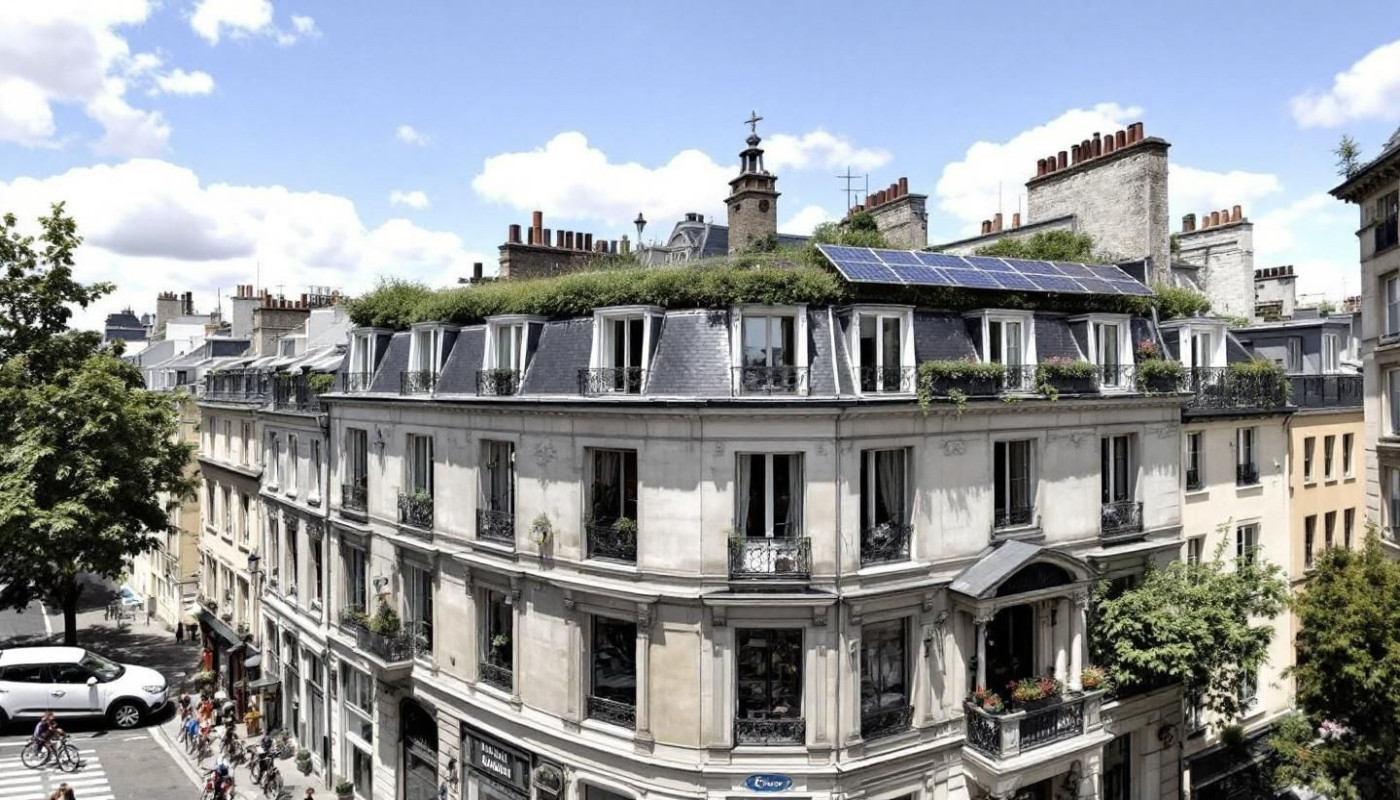
How To Find Eco-friendly Accommodations In Paris
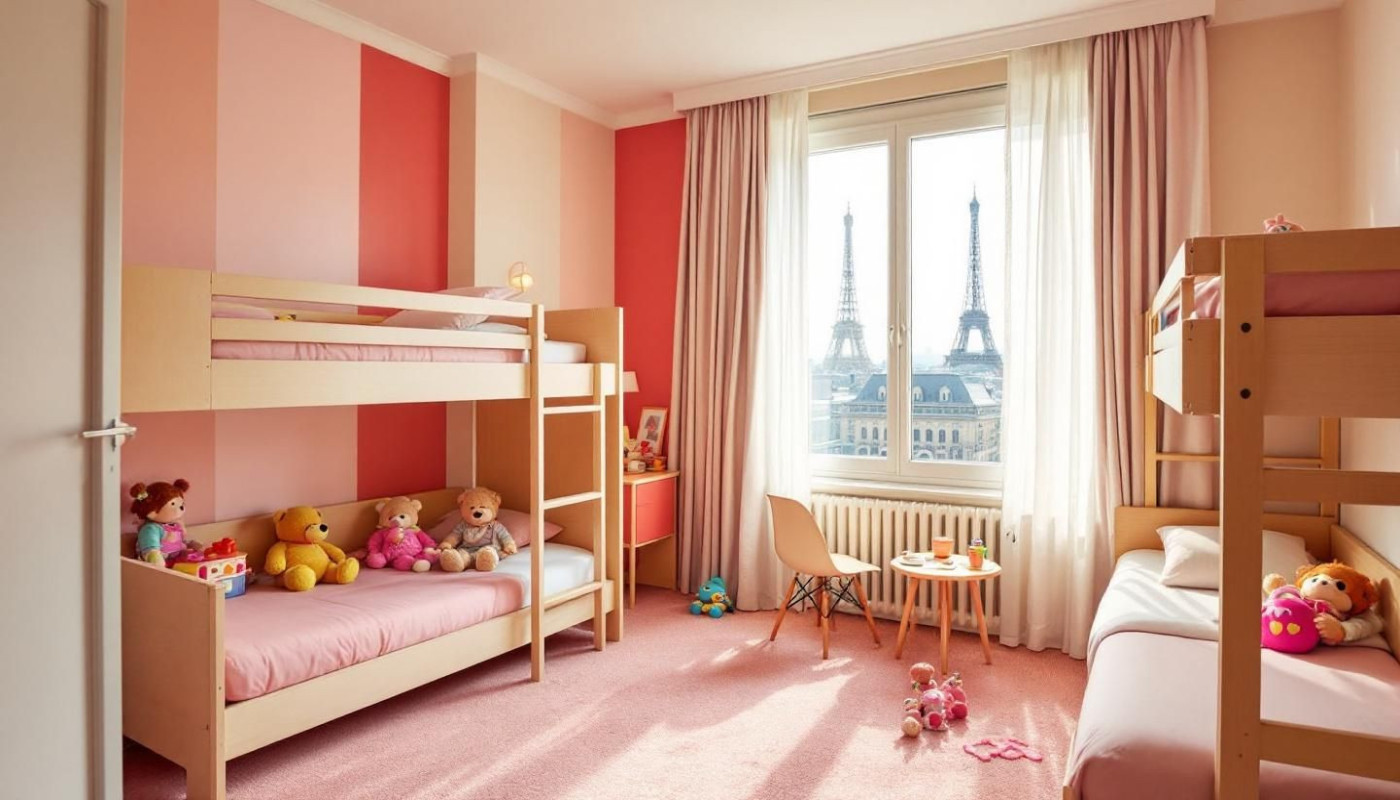
A Guide To Finding Family-friendly Accommodations In Paris

Exploring Unique Boutique Hotel Experiences In Paris

Exploring Unique Museums: How Themed Attractions Can Boost Local Tourism

Undiscovered Gems: Exploring the Hidden Corners of Eastern Europe
