Table of contents
Paris is setting new tourism records, and the pressure is showing: higher room rates, tighter availability, and travelers who expect both character and connectivity. In that landscape, the smartest stays are not always in the postcard center, but in districts that let you move fast and sleep well. The 13th arrondissement, long associated with a lived-in Paris of markets, universities, and street art, is quietly becoming a practical base. Hotel Urban Bivouac Paris is part of that shift, pairing three-star comfort with a location shaped around public transport.
Paris 13th, the city’s pragmatic sweet spot
Want Paris without the daily gridlock? The 13th arrondissement has become one of the capital’s most efficient compromises, and not only because it is typically calmer than the dense core around the Louvre or Saint-Germain. It is a district where everyday Paris remains visible, and that matters for visitors who have started to look beyond the “museum-to-museum” itinerary, especially as the city’s visitor numbers rebound and neighborhoods feel the strain. The 13th sits on the Left Bank yet behaves like a crossroads, linking major stations, business areas, universities, and an increasingly recognized food and art scene, from the Asian quarter around Avenue de Choisy to the contemporary lines of the Bibliothèque François-Mitterrand and the riverfront paths nearby.
That practicality is also geographic. The arrondissement is a gateway to southern Paris and the inner suburbs, which means faster transfers for those arriving via major rail hubs, and simpler daily logistics for travelers who mix leisure with meetings, family visits, or events. In a market where “central” often equals “overbooked” and expensive, the 13th’s value proposition is becoming clearer, and it is no longer only about price. It is about time saved, and about choosing a base that leaves room for spontaneity: a late dinner without the anxiety of a cross-city return, a morning run along the Seine, or a quick metro hop to a museum slot that opened at the last minute. In this context, a three-star property such as Hotel Urban Bivouac Paris gains relevance, because the district’s rhythm rewards hotels that understand modern schedules while still offering the calm travelers increasingly seek.
A three-star stay, not a compromise
Comfort should not feel like a concession. Paris has a long tradition of small and mid-sized hotels that deliver an experience more personal than the big chains, and the three-star segment, in particular, has become a battleground where expectations have risen sharply. Travelers now arrive with habits forged by remote work and mobile lifestyles: they want a room that supports rest, but also one that supports a day that starts early, runs late, and includes planning on the fly. The label “3 étoiles” still signals a defined service level in France, yet guest judgment tends to be less about official categories than about the lived details, and those details decide whether a stay feels smooth or stressful.
In that environment, Hotel Urban Bivouac Paris positions itself as a three-star option designed for contemporary needs rather than nostalgia alone. The point is not to imitate palace codes, but to offer a clean, coherent standard, and to do it consistently, which is what business travelers and repeat visitors notice first. A well-run three-star hotel has to perform on basics with no weak links: predictable check-in flow, a quiet night, reliable temperature control, and a sense that the room is built for recovery after long days on foot. It also has to acknowledge that Paris visitors increasingly travel with more devices, more reservations, and more moving parts, meaning that clarity, responsiveness, and well-organized spaces become as important as décor. For many, the most “Parisian” luxury is simply a stay that doesn’t waste their time, and a three-star property that delivers that can outperform more expensive addresses where the charm comes with friction.
Public transport proximity changes the trip
In Paris, distance is psychological. Two kilometers can feel trivial on a map and exhausting at 23:30 after a day of walking, and that is why proximity to public transport is not a nice-to-have but a strategic advantage, especially as visitors try to pack more into shorter stays. The metro remains the city’s great equalizer, and the tramway and buses have grown in importance for neighborhoods outside the historic core. When a hotel is close to strong public transport links, the entire trip becomes more flexible: you can accept a dinner invitation across town, you can book a timed ticket without building the day around it, and you can return to your room between appointments instead of staying out all afternoon with a backpack.
This is where Hotel Urban Bivouac Paris benefits from its positioning in Paris 13e, with quick access to public transport that connects efficiently to key areas. For leisure travelers, that means simpler routes to the classic landmarks, whether it is a morning at Musée d’Orsay, an evening walk near Notre-Dame, or a last-minute concert in the east. For business travelers, it can mean fewer taxi receipts and more predictable arrival times, which is not a detail in a city where traffic can swing wildly depending on demonstrations, rain, or major events. The broader trend is visible across Europe: guests are increasingly selecting hotels the way they select flight connections, favoring reliability and frequency over a romantic but complicated route. A well-connected address also helps with arrival and departure stress, because it reduces the fear of missing a train, and it gives travelers more options when a line is disrupted. Paris is a city that rewards curiosity, but curiosity needs infrastructure, and transport proximity is the infrastructure that turns ambition into a realistic itinerary.
A hotel choice that reflects new Paris travel
Paris has always sold a dream, but the way people consume that dream is changing fast. The post-pandemic travel rebound, inflation, and the spread of hybrid work have created visitors who are both demanding and pragmatic, willing to spend on what improves the experience, and unwilling to pay for friction. They still want the old-world atmosphere, the café terraces, the stone façades, and the sense of history, yet they now measure a hotel by how well it supports a modern, mobile routine. That is why districts like the 13th, once underestimated by tourists, are gaining traction: they deliver a version of Paris that is less staged, and they allow travelers to move through the city with less fatigue, which ultimately means they see more, and enjoy more.
Hotel Urban Bivouac Paris fits into that evolution as a three-star base in Paris 13e that speaks to travelers who plan days around experiences rather than around a single prestigious postcode. The logic is simple: sleep in a calmer pocket, ride the metro into the busiest zones when you want them, then retreat when you don’t. The neighborhood itself supports that pattern, offering plenty of local life, from bakeries and markets to small restaurants that do not require a week-ahead reservation, and it is also close enough to major Paris arteries to keep the city’s headline attractions within easy reach. More broadly, this is what modern Paris travel looks like when it works: fewer dead moments in transit, fewer compromises on rest, and more room for the unplanned detour that becomes the story you tell later. The most memorable Paris trips still include grandeur and history, but they are increasingly built on an unglamorous foundation: a dependable hotel, and quick access to public transport.
How to plan it, simply
For travelers weighing options, the practical approach is to reserve early around peak periods, set a clear nightly budget, and check what discounts apply, from advance purchase rates to any mobility-related passes that can reduce local transport costs. A three-star hotel in Paris 13e such as Hotel Urban Bivouac Paris can be a strong value when aligned with a transport-first itinerary, especially for short stays where time matters most.
On the same subject

Step Into Digital Nomadism: How To Make Money Online? From Bali To Berlin
Step Inside A Hotel In Paris Where Heritage Meets Tomorrow’s Trends

Hotel In Paris: Where Design Meets History In The City Of Light
Hotel In Paris And The Silent Revolution Of Sustainable Design
Hotel In Paris Guests Are Redefining City Escapes—here’s What They Want Now
Hotel In Paris: Reinventing The Art Of Urban Hospitality
Exploring Sustainable Travel Options For Your Next Hotel Stay In Paris
How To Discover Hidden Gems Among Hotels In Paris?
Exploring Eco-friendly Options For Staying At A Hotel In Paris
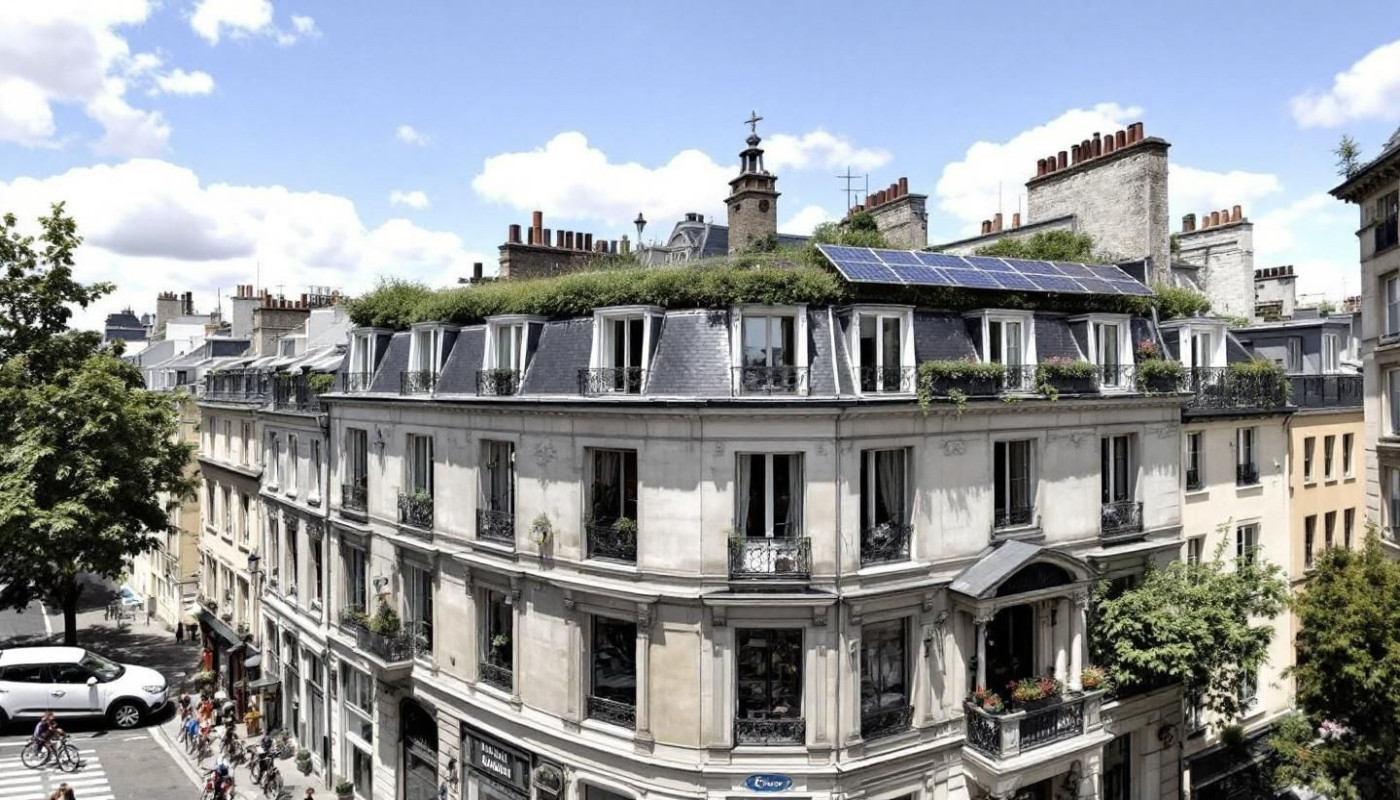
How To Find Eco-friendly Accommodations In Paris
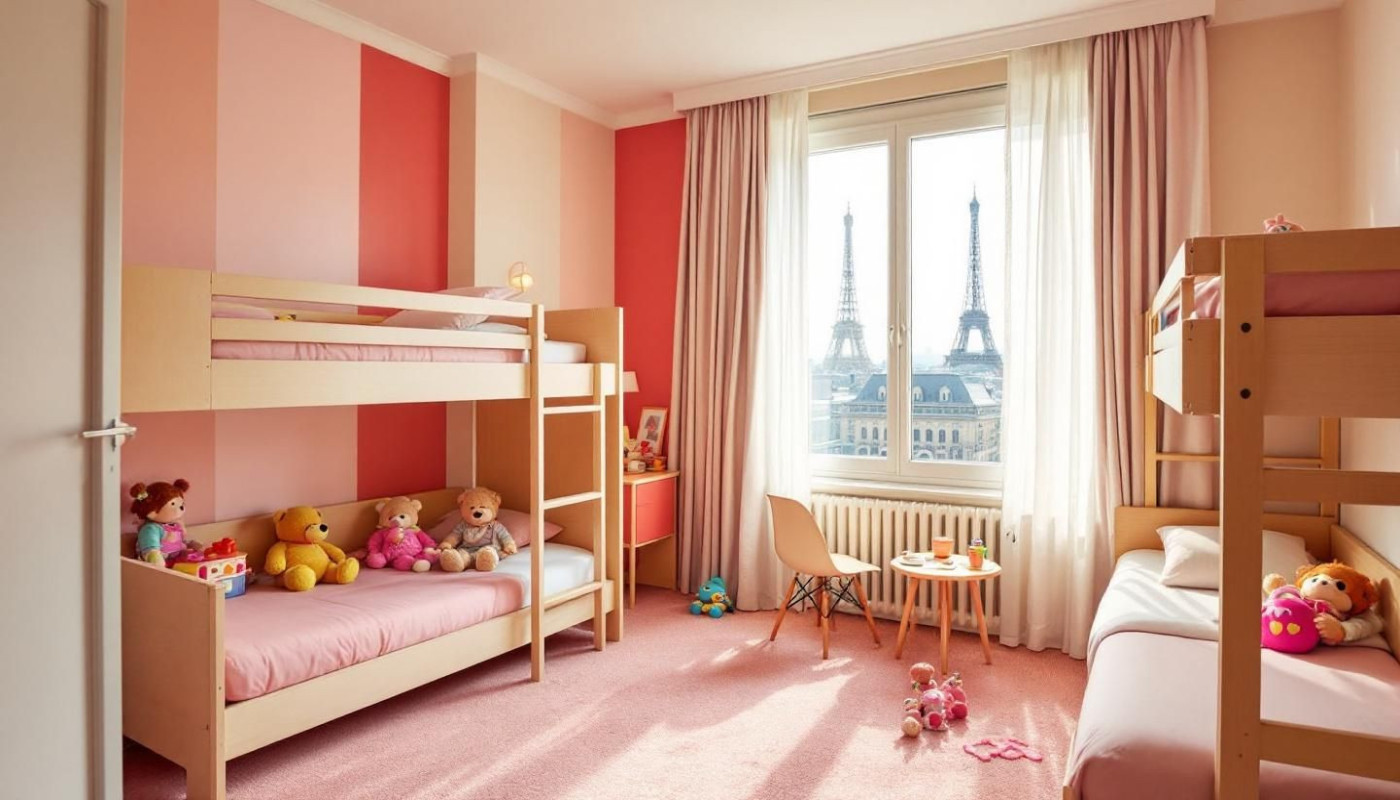
A Guide To Finding Family-friendly Accommodations In Paris

Exploring Unique Boutique Hotel Experiences In Paris

Exploring Unique Museums: How Themed Attractions Can Boost Local Tourism

Undiscovered Gems: Exploring the Hidden Corners of Eastern Europe
